

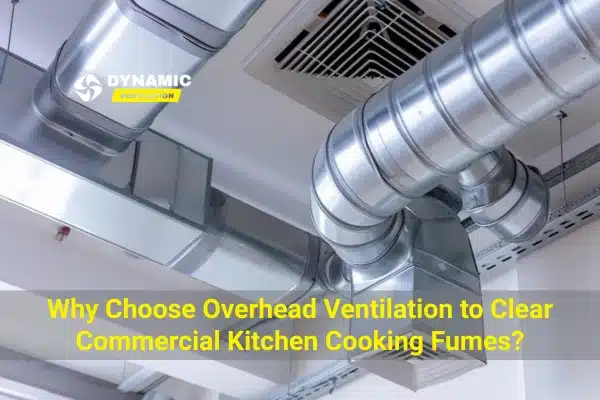
Why Choose Overhead Ventilation To Clear Commercial Kitchen Cooking Fumes
Commercial kitchens produce clouds of cooking fumes, grease, steam, and odors that regular fans just cannot handle. Why choose overhead ventilation to clear commercial kitchen cooking fumes? Because it pulls pollutants directly from the source before they spread through the entire building, keeping your kitchen staff comfortable and your customers happy. This guide explains exactly why overhead ventilation beats traditional systems for busy commercial kitchens.
The Cooking Fume Problem in Commercial Kitchens
Cooking fumes are not just annoying smells. They carry grease particles, smoke, steam, and tiny airborne contaminants that settle on surfaces, clog filters, and make indoor air feel heavy. In a busy commercial kitchen, stovetops, grills, fryers, and ovens work nonstop, creating constant fume buildup.
Without proper extraction, these fumes rise and spread. They coat hoods, walls, ductwork, and ceilings with sticky grease buildup. Staff breathe heavier air, customers notice lingering odors, and your HVAC system works harder to circulate contaminated air. Poor fume management creates health risks, fire hazards, and extra cleaning costs.
How Overhead Ventilation Works Differently
Overhead ventilation pulls cooking fumes upward from ceiling-mounted fans or hood systems positioned directly above cooking appliances. Unlike wall fans that push air sideways or small exhausts that miss hot spots, overhead systems capture rising heat and pollutants at their strongest concentration point.
The design makes sense when you think about physics. Hot air rises naturally, carrying grease and smoke particles with it. Overhead ventilation meets this rising contaminated air head-on, channeling it out through roof vents or ductwork before it can spread horizontally. This targeted approach clears the kitchen faster and more completely than side-mounted alternatives.
Key Benefits of Overhead Ventilation
Overhead ventilation offers clear advantages over traditional systems. Here are the main reasons kitchen managers prefer it:
- Captures fumes at the source before they spread
- Reduces grease buildup on surfaces and ductwork
- Keeps staff stations cooler during busy shifts
- Prevents cooking odors from reaching dining areas
- Lowers fire risk through proper grease filtration
- Extends hood filter and equipment life
Direct Capture Beats Air Circulation
Many commercial kitchens rely on general air circulation fans that move contaminated air around rather than removing it. These systems stir up fumes without actually clearing them from the building. Overhead ventilation solves this by creating negative pressure above cooking stations, literally sucking pollutants out before they escape containment areas.
Kitchen managers notice the difference immediately. Staff stations stay clearer, hood filters clog slower, and duct cleaning happens less often. Customers in dining areas smell fresh food instead of lingering kitchen odors. The entire facility benefits from cleaner air movement patterns.
Grease and Fire Safety Benefits
Grease buildup creates serious fire risks in commercial kitchens. Overhead ventilation systems equipped with proper grease filters trap oily particles before they travel through ducts or settle on surfaces. This reduces fire hazards significantly while protecting ductwork from corrosion.
Modern overhead ventilation often includes these essential safety features:
- Automatic fire suppression system integration
- Heat sensor activated shutoff capabilities
- Baffle filters that trap grease effectively
- Stainless steel construction for durability
- Compliance with international fire codes
When heat sensors detect dangerous temperatures, the system can activate suppression systems and stop airflow to contain potential fires. These safety features give kitchen managers peace of mind during peak service hours.
Staff Comfort and Productivity
Kitchen staff work long shifts surrounded by heat and fumes. Poor ventilation makes hot kitchens feel unbearable, leading to fatigue, discomfort, and lower productivity. Overhead ventilation keeps working areas cooler and fresher, helping staff stay focused and comfortable through busy shifts.
Better air quality also reduces respiratory irritation from cooking smoke and steam. Staff experience fewer headaches, eye irritation, and breathing difficulties. Healthier working conditions mean lower absenteeism and higher staff retention, which saves money on training and turnover costs.
Customer Experience Matters Too
Customers notice kitchen odors that drift into dining areas. Lingering cooking smells can ruin the dining experience, even in well-decorated restaurants. Overhead ventilation keeps fumes contained in the kitchen, preserving pleasant dining atmospheres and protecting your brand reputation.
Clean air movement creates positive first impressions. Guests associate fresh indoor air with quality and attention to detail. When ventilation works properly, customers focus on your food and service rather than unwanted kitchen smells or stuffy atmospheres.
Energy Efficiency Through Better Design
Traditional kitchen exhaust systems waste energy by running at full capacity constantly. Overhead ventilation with variable speed controls and occupancy sensors adjusts airflow based on actual cooking activity. During slow periods, fans run slower, saving electricity without compromising air quality.
Smart overhead systems integrate with kitchen hood controls, automatically ramping up extraction during peak cooking times. This targeted approach uses less energy than oversized systems running continuously. Facility managers appreciate the lower utility bills and reduced wear on equipment.
Integration with Complete Kitchen Systems
Overhead ventilation works best as part of complete kitchen air management. Makeup air systems replace exhausted air to maintain pressure balance, preventing negative pressure issues. Temperature and humidity sensors coordinate fan speeds with cooking demands for optimal performance.
Many commercial kitchens combine overhead ventilation with complementary systems. In facilities handling lots of dry materials, a dust collector Dubai setup prevents fine particles from mixing with cooking grease. For dining areas needing extra clean air, an air purifier with HEPA filter UAE provides additional filtration support.
Why Overhead Beats Traditional Wall Exhausts
Wall-mounted exhaust fans struggle with rising heat patterns in commercial kitchens. They pull air horizontally, missing much of the upward-moving contaminated air. Grease travels sideways through shorter duct runs, creating buildup and maintenance headaches.
Overhead systems position extraction points exactly where contaminants concentrate most. Longer vertical duct runs use gravity to help move grease toward filtration and collection points. Kitchen managers report cleaner ducts, longer filter life, and fewer service calls compared to side-mounted alternatives.
Sizing and Layout Considerations
Effective overhead ventilation requires proper sizing based on cooking equipment BTU output, hood dimensions, and kitchen layout. Undersized systems fail to capture all fumes, while oversized units waste energy. Experienced designers calculate capture velocity needs for each cooking station.
Kitchen layout affects performance too. Island cooking ranges need 360-degree capture hoods, while backwall setups work well with wall-mounted overhead canopies. Proper placement ensures no dead zones where fumes escape extraction zones. Facility managers should work with ventilation experts during kitchen planning stages.
Dynamic Ventilation: Commercial Kitchen Specialists
Dynamic Ventilation serves as a leading manufacturer and the best ventilation fan supplier in UAE, specializing in robust overhead ventilation solutions for demanding commercial kitchens. Businesses trust their engineering expertise for systems that handle heavy cooking loads while maintaining compliance with fire and health regulations.
Commercial kitchens often source additional airflow support from centrifugal fan suppliers in UAE to boost extraction power. For complete fume management, many partner with a roof exhaust fan supplier in Dubai to ensure contaminants exit buildings efficiently. Dynamic Ventilation coordinates these elements into seamless kitchen ventilation systems.
The company understands commercial kitchen realities. Their overhead ventilation products feature heavy-duty construction, easy-access filters, and smart controls that adapt to variable cooking demands. Kitchen operators value the reliability and low maintenance requirements that keep operations running smoothly during peak hours.
Maintenance Made Simple
Overhead ventilation systems need regular filter cleaning and duct inspections to maintain peak performance. Grease buildup reduces airflow efficiency and creates fire risks. Kitchen staff can handle basic filter maintenance, while professional services handle deep cleaning and motor servicing.
Smart systems include filter status indicators and maintenance reminders. Facilities managers receive alerts when filters need attention, preventing performance drops during busy seasons. Regular upkeep extends equipment life and maintains warranty coverage while protecting indoor air quality.
Compliance and Health Regulations
Commercial kitchens face strict ventilation codes covering minimum capture velocities, duct materials, grease management, and makeup air requirements. Overhead ventilation systems designed with compliance in mind simplify health inspections and avoid costly rework. Fire authorities require specific grease filtration and fire suppression integration.
Modern systems include documentation packages proving compliance with local codes. This paperwork streamlines permitting processes and reassures insurance providers. Kitchen owners sleep better knowing their ventilation meets all regulatory standards while protecting staff and customers.
Conclusion
Why choose overhead ventilation to clear commercial kitchen cooking fumes? Because it captures contaminants at the source, protects staff health, satisfies customers, and delivers long-term operating savings. Poor kitchen ventilation creates grease fires risks, staff discomfort, customer complaints, and excessive cleaning costs.
Need cleaner kitchen air? Contact Dynamic Ventilation at +971 561864701 for expert support, reliable solutions, and professional installation services.
0 comments