

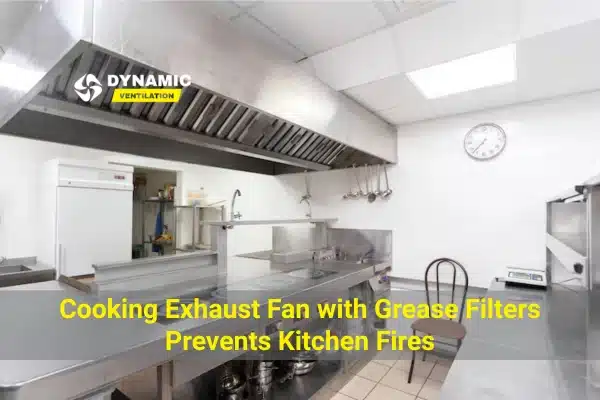
Cooking Exhaust Fan with Grease Filters Prevents Kitchen Fires
Cooking exhaust fan with grease filters serve as silent guardians in kitchens everywhere, dramatically cutting down fire risks by trapping dangerous grease particles before they accumulate and ignite. These essential systems not only whisk away smoke, steam, and odors during cooking but also maintain a safer, fresher environment for families and professional chefs alike. In regions with heavy frying traditions like the Middle East, where oil-rich dishes dominate meals, investing in quality ventilation proves smarter than ever.
Why Kitchen Fires Happen
Oil splashes and grease drips start most kitchen fires when they hit hot surfaces. Cooking vapors carry tiny fat particles that settle on hoods and ducts over time. This buildup waits for a spark from the next meal.
Centrifugal fan suppliers in UAE note how poor airflow worsens this in humid climates. Heavy regional cooking styles create more grease than average, making proper ventilation essential.
Role of Cooking Exhaust Fans
A cooking exhaust fan pulls steam, smoke, and grease away from the cooking surface. Positioned above the stove, it creates airflow that carries contaminants to filters and outside. Different models suit home or restaurant needs.
Quiet operation matters during family meals, while powerful units handle restaurant rush hours. Variable speeds match simmering soups or sizzling grills perfectly.
Grease Filters Explained
Grease filters catch fat particles before they clog your cooking exhaust fan system. Baffle filters use curved stainless steel to trap heavy droplets in collection trays. Mesh filters snag finer particles through layered wires.
Weekly soaking in hot soapy water keeps them working. Clogged filters strain motors and cut airflow, raising both fire risk and energy costs.
How Grease Filters Stop Fires
Filters grab 95 percent of airborne grease right at the stove, preventing duct fires. Hot vapors hit the filter, condense, and drain safely instead of coating wires. This simple step meets fire safety standards worldwide.
kitchen exhaust fan supplier in dubai installs show how filtered systems pass inspections easily. Clean ducts mean no fuel for potential flash fires.
Choosing the Right Cooking Exhaust Fan
Measure kitchen volume for proper CFM rating: stove width x height x depth, divided by four. Frequent frying needs higher power than occasional baking. Gas stoves demand stronger pull than electric.
Look for dishwasher-safe filters and noise under 3 sones. Ductless models work where outside venting proves difficult.
Installation Basics
Mount cooking exhaust fans 24-30 inches above cooktops for best capture. Short, straight ducts to roof or wall prevent grease traps. Seal joints tightly with metal tape.
Professional installers test airflow and balance the unit. Wrong setup lets grease escape, undoing safety benefits.
Maintenance for Safety
Check cooking exhaust fan filters weekly before grease hardens. Vacuum ducts quarterly, deep clean every six months in heavy use. Listen for unusual motor noises signaling wear.
Dust collector Dubai services complement kitchen ventilation by handling flour and spice particles. These routine steps keep fire risks minimal.
Real-World Fire Prevention Stories
A Mumbai apartment cook credits their cooking exhaust fan for stopping a curry flare-up. Grease hit the filter instead of spreading. The family finished dinner with just a story to tell.
Restaurant owners report fewer insurance claims after ventilation upgrades. Clean systems pass fire inspections without drama.
Complementary Ventilation Solutions
Air purifier with HEPA filter UAE homes use catches microscopic particles that cooking exhaust fans miss. These units run quietly alongside kitchen ventilation for complete air protection.
Whole-house systems create healthier environments beyond just cooking areas. Clean air benefits everyone breathing it.
Dynamic Ventilation: Leading Manufacturer
Dynamic Ventilation leads as the best ventilation fan supplier in UAE, crafting cooking exhaust fans for harsh Middle Eastern conditions. Their grease filters handle heavy oils from biryani and grills without quick clogging.
Units resist humidity and dust while offering easy maintenance access. Customers value reliable local support and custom installation services.
FAQ
1. How often should I clean cooking exhaust fan grease filters?
Clean baffle or mesh filters weekly if you cook frequently, or every two weeks for lighter use. Soak in hot soapy water until the grease dissolves completely.
- Can cooking exhaust fans completely prevent kitchen fires?
They significantly reduce grease-related fire risks by capturing 95 percent of particles, but always stay attentive while cooking and keep flammables away from heat.
3. What’s the difference between baffle and mesh grease filters?
Baffle filters use curved metal plates for heavy grease capture and easy cleaning. Mesh filters work better for lighter cooking but need more frequent washing.
- Do I need a cooking exhaust fan for electric stoves?
Yes, electric stoves still produce steam, odors, and some grease vapors. Proper ventilation improves air quality and prevents moisture damage regardless of fuel type.
5. Are ductless cooking exhaust fans effective for fire prevention?
Ductless models recirculate filtered air effectively for light cooking but work best with frequent filter changes. For heavy frying, ducted fans offer superior grease removal.
Conclusion
Cooking exhaust fans with grease filters stop kitchen fires by catching grease before it ignites, offering reliable protection through smart design and simple upkeep. Whether in cozy home kitchens or bustling restaurants, these systems deliver peace of mind, fresher air, and compliance with safety rules that matter most to families and business owners alike.
Need reliable kitchen fire protection? Contact Dynamic Ventilation at +971 56 186 4701 for expert support, grease filtration systems, and professional installation services.
0 comments