

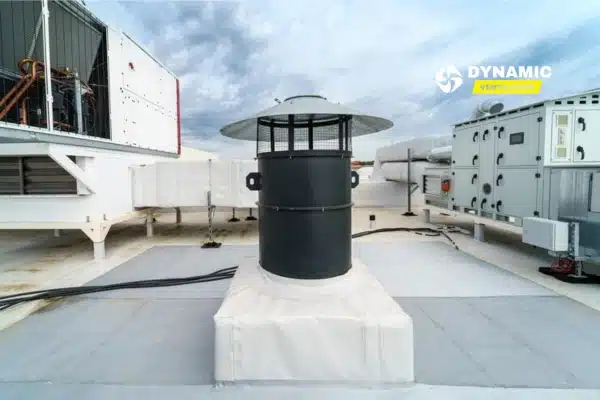
Integrating Roof-Mounted Extractor Fan With Existing HVAC Setups
Modern buildings often rely on HVAC systems for temperature control, but poor ventilation can lead to stale air, excess humidity, and inefficiency. A roof-mounted extractor fan provides powerful exhaust capabilities that complement existing HVAC setups perfectly. This integration enhances overall air quality, reduces energy consumption, and extends equipment life. This comprehensive guide covers everything you need to know about seamlessly incorporating a roof-mounted extractor fan into your current HVAC infrastructure.

Understanding Roof-Mounted Extractor Fan Basics
Roof-mounted extractor fans excel at removing hot air, moisture, fumes, and contaminants from building interiors through natural buoyancy and mechanical power. Positioned strategically on rooftops, these fans create negative pressure that pulls stale air upward and out. Unlike inline duct fans, roof-mounted extractor fans handle high volumes with minimal duct runs, making them ideal partners for HVAC systems handling conditioned air distribution.
When integrated properly, the roof-mounted extractor fan acts as an exhaust booster, relieving pressure from HVAC return air paths and preventing overworking of main system components. This balanced approach ensures fresh air intake while maintaining energy efficiency across the entire ventilation network.
Benefits of HVAC Integration for Building Performance
Combining a roof-mounted extractor fan with HVAC delivers multiple advantages. First, it improves air exchange rates without compromising temperature control, reducing indoor pollutants by up to 70%. Energy savings come from optimized fan operation—HVAC blowers work less while the roof extractor handles bulk exhaust duties.
The best ventilation fan supplier in UAE understands these dynamics and provides systems engineered for smooth HVAC compatibility. Proper integration also extends HVAC filter life by reducing dust loading and preventing common issues like coil icing from excess humidity buildup.
Assessing Your Current HVAC System Capacity
Before integration, evaluate your HVAC system’s static pressure, airflow ratings (CFM), and control capabilities. Measure existing exhaust paths and identify pressure drops that indicate overworked returns. Professional airflow testing reveals whether your system can accommodate additional exhaust without velocity issues.
Consider zoning requirements, multi-zone HVAC benefits most from distributed roof-mounted extractor fan placement. Document motor ratings, VFD compatibility, and economizer functions, as these influence integration strategies. Building management systems (BMS) with Modbus or BACnet protocols enable seamless roof fan control synchronization.
Strategic Placement and Ductwork Design
Optimal roof-mounted extractor fan positioning aligns with prevailing winds and building geometry for maximum stack effect. Mount fans above high-heat areas like kitchens or machinery rooms, ensuring discharge points clear parapets by code minimums (typically 3-5 feet). Use weatherproof curbs elevated 12-18 inches above roofing for drainage protection.
Duct transitions from HVAC plenums to roof extractors require smooth, short-radius elbows to minimize turbulence. Flexible connections absorb vibration while insulated duct sections prevent condensation. The best ventilation fan supplier in UAE recommends variable pitch dampers for balancing multiple fan arrays serving large HVAC zones.
Electrical and Control System Synchronization
Interlock roof-mounted extractor fan operation with HVAC sequences using dry contacts or PLC integration. Demand-controlled ventilation (DCV) links fan speed to CO2 sensors or occupancy, matching exhaust to HVAC supply modulation. VFD-equipped fans respond instantly to BMS signals, maintaining constant volume despite varying static pressures.
Power coordination prevents electrical overloads coordinate motor inrush currents with HVAC starters. Remote monitoring via IoT gateways allows predictive maintenance, alerting technicians to imbalances before HVAC performance suffers. Grounding and surge protection safeguard sensitive HVAC controls from rooftop lightning exposure.
Installation Best Practices and Code Compliance
Professional installation follows SMACNA guidelines for rooftop penetrations and curb mounting. Flash curbs properly with cant strips and counterflashings to prevent leaks. Tension roof-mounted extractor fan mounting bolts to manufacturer torque specs, using lock washers for vibration resistance.
Local codes dictate minimum separation between intake/exhaust (often 10 feet) and grease duct requirements for kitchen applications. NFPA 90A mandates hinged access for belt-driven fans servicing HVAC-integrated systems. Commissioning verifies balanced airflow through traverse testing across supply, return, and exhaust paths.
Complementary Roof Ventilation Solutions
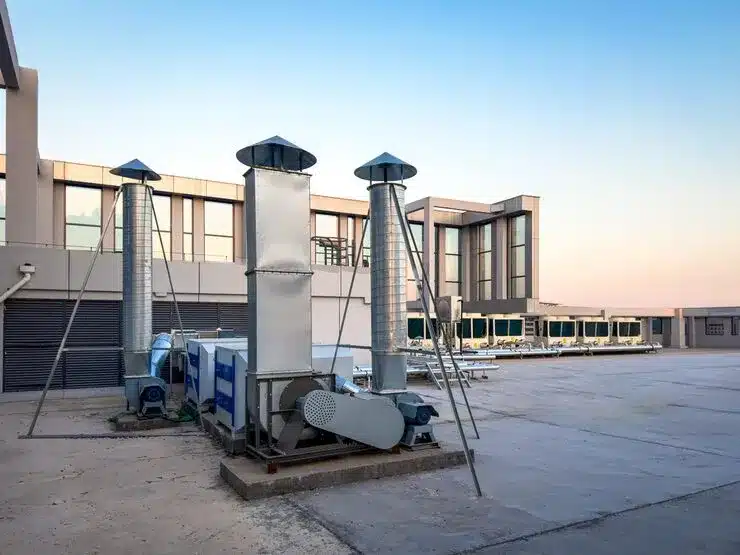
Roof vents Dubai provide essential passive ventilation support alongside roof-mounted extractor fans, creating hybrid systems that maximize airflow during low-demand periods. These vents automatically open with rising temperatures, relieving pressure before mechanical fans activate, which extends equipment life and reduces energy use. Integrating both active extraction and passive roof vents Dubai ensures comprehensive ventilation coverage, handling everything from daily heat buildup to emergency smoke purging while maintaining balanced HVAC operation. This layered approach delivers superior building performance across varying conditions.
Overcoming Common Integration Challenges
Duct leakage plagues many retrofits using mastic sealant and tested drawbands on all joints. Acoustic issues arise from unbalanced fan speeds; install silencers or speed controllers for HVAC fan rooms nearby. Seasonal performance varies, so incorporate temperature interlocks preventing winter over-ventilation.
Industrial Ventilation Systems Dubai often faces high ambient temperatures requiring oversized roof-mounted extractor fans. Address backdraft concerns by closing motorized dampers during HVAC economizer mode. Regular filter maintenance prevents roof fan overload from HVAC debris carryover.
Maintenance Strategies for Long-Term Reliability
Scheduled belt inspections, lubrication, and bearing checks keep integrated systems humming. Clean bird screens quarterly to maintain CFM ratings matching HVAC design. Annual motor winding tests predict failures before impacting HVAC runtime.
BMS trend logs track integration health, flagging airflow mismatches early. Roof-mounted extractor fan bearings last longer with proper alignment to HVAC duct axes. Spare parts inventory ensures minimal downtime during peak cooling seasons.
Performance Monitoring and Optimization Strategies
Ongoing performance monitoring ensures that the roof-mounted extractor fan and HVAC integration deliver sustained benefits. Install differential pressure sensors across filters and duct sections to track airflow degradation early. Data loggers capture fan speed, motor amps, and static pressure trends, revealing imbalances before efficiency drops.
Regular third-party airflow verification confirms design CFM targets. Adjust VFD curves seasonally to match varying HVAC loads and ambient conditions. Clean coil inspections prevent reduced heat transfer from extractor-induced humidity fluctuations.
Advanced analytics platforms predict maintenance needs through vibration analysis and thermal imaging of fan housings. Energy audits quantify integration ROI, comparing pre- and post-installation utility data. Continuous commissioning fine-tunes damper positions and control setpoints for peak performance across operating modes.
Conclusion
Integrating a roof-mounted extractor fan with existing HVAC setups transforms building ventilation from adequate to exceptional. This strategic combination delivers superior air quality, energy savings, and equipment longevity through balanced airflow and smart controls. Facilities gain compliance confidence while enhancing occupant comfort and productivity.
Ready to optimize your HVAC performance? Contact Dynamic Ventilation, the Best ventilation fan supplier in UAE, at +971 561864701 for expert roof-mounted extractor fan integration tailored to your building’s needs.
0 comments