

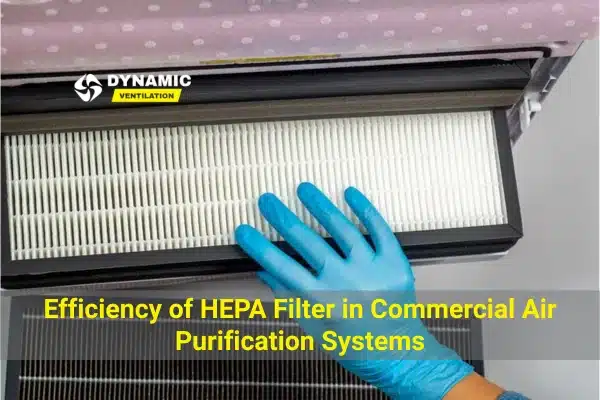
Efficiency of HEPA Filter in Commercial Air Purification Systems
The efficiency of HEPA filter in commercial air purification systems matters because businesses need clean indoor air that supports health, comfort, and productivity. In commercial spaces, dust, smoke, allergens, and tiny airborne particles can build up fast, so a reliable filtration setup is not just useful, it is necessary. This blog explains how HEPA filters work, why their efficiency matters, where they are used, and how they fit into modern commercial air purification planning.
What HEPA Filter Efficiency Means
HEPA stands for High Efficiency Particulate Air. A HEPA filter is designed to capture very small particles from the air before they recirculate inside a building. When people talk about the efficiency of HEPA filter, they usually mean how well the filter removes airborne contaminants such as dust, pollen, smoke, and fine particles.
In commercial air purification systems, efficiency is important because a filter must do more than just trap visible dust. It must help maintain cleaner air across busy workspaces, meeting rooms, lobbies, production areas, and other indoor environments. The better the filter performs, the better the overall air quality becomes.
Why Commercial Spaces Need HEPA Filtration
Commercial buildings often have more foot traffic, more equipment, and more indoor activity than residential spaces. That means more dust, more pollutants, and more chances for air quality problems. Offices, clinics, retail shops, schools, and hospitality spaces all benefit from cleaner air.
A strong filtration system helps reduce irritation, improve comfort, and support a healthier indoor environment. It also helps protect HVAC equipment by reducing the amount of dust and debris that moves through the system. When the air stays cleaner, the entire building system can work more smoothly.
How HEPA Filters Work
HEPA filters use a dense fiber structure that captures particles as air passes through. The particles are trapped through different mechanisms, including interception, impaction, and diffusion. This makes the filter highly effective against tiny airborne pollutants.
Unlike basic filters that mostly catch larger particles, HEPA filters are built for finer filtration. That is why they are used in places where indoor air quality is a serious concern. In commercial air purification systems, this makes them a smart choice for spaces that need dependable filtration and cleaner breathing conditions.
Where HEPA Filters Fit in Commercial Systems
HEPA filters can be used in many commercial environments, depending on the air quality needs of the building. They are often part of air purification units, HVAC systems, clean air devices, and specialized ventilation setups.
In offices, they help reduce dust and improve comfort for employees. In healthcare settings, they support cleaner air in waiting rooms and treatment areas. In warehouses, they help control dust from movement, storage, and equipment use. In hospitality spaces, they help create a fresher and more pleasant indoor atmosphere.
They can also be part of broader ventilation systems that move air through the building in a controlled way. When combined with proper airflow design, HEPA filtration becomes even more effective.
Factors That Affect Filter Performance
The efficiency of HEPA filter is not only about the filter itself. The overall system design also matters. Airflow rate, maintenance, filter placement, and building load all affect performance.
If airflow is too strong or poorly balanced, the filter may not perform as expected. If maintenance is ignored, dust buildup can reduce efficiency over time. If the unit is not sized correctly, the system may struggle to clean the air properly.
That is why commercial air purification should always be planned as a complete system, not just as a single product. A filter works best when the fan, ducts, controls, and air distribution are all properly designed.
HEPA Filters and Energy Use
Businesses often want cleaner air without high energy costs. This is where smart system planning becomes important. A HEPA filter can improve air quality, but the system around it must be efficient too.
A well-designed setup uses the right airflow and avoids unnecessary strain on the equipment. That means the building can maintain better air quality without wasting energy. In many commercial settings, pairing filtration with effective ventilation helps balance performance and operating cost.
This is where the efficiency of HEPA filter becomes part of a bigger conversation. The filter must work well, but it also must fit into a practical and energy-conscious air management strategy.
Common Uses in Commercial Buildings
Many industries rely on HEPA filtration for better air quality. Some of the most common uses include:
- Office spaces where employee comfort is important.
- Healthcare environments that need cleaner, controlled air.
- Retail stores that want a fresher customer experience.
- Warehouses where dust control is essential.
- Educational buildings where indoor air quality supports concentration.
- Food-related spaces where clean airflow is part of hygiene planning.
These environments all benefit from cleaner, better-filtered air. The goal is not just to remove particles, but also to create a healthier and more professional indoor environment.
Why HEPA Matters for Indoor Comfort
People notice air quality even when they do not talk about it. Stale air, visible dust, and unpleasant odors can make a space feel poorly maintained. Cleaner air creates a better first impression and a more comfortable experience for everyone inside.
When commercial air purification systems use HEPA filtration effectively, they help reduce the discomfort caused by airborne particles. This can improve the atmosphere in a way that customers, staff, and visitors all notice.
Dynamic Ventilation for Better Commercial Air Quality
Dynamic Ventilation is a trusted name for businesses that want dependable air movement and cleaner indoor air. As a leading manufacturer and the best ventilation fan supplier in UAE, the company offers practical solutions that help commercial spaces manage airflow more effectively. Its products are designed to support better air circulation, which is important when using systems that rely on HEPA filtration.
Many businesses also look for centrifugal fan suppliers in UAE when they want stronger airflow support for commercial buildings. In projects where warm air needs to be removed efficiently, choosing a roof exhaust fan supplier in Dubai can also make a real difference. These solutions work alongside ventilation systems to improve overall air movement and support better air quality inside the building.
For companies looking for an air purifier with hepa filter uae, the full system matters just as much as the filter itself. That is where Dynamic Ventilation adds value by offering equipment that supports cleaner, more balanced indoor environments. Their focus on commercial performance makes them a useful choice for businesses that want air systems built for real-world use.
Choosing the Right Solution
Selecting the right commercial air purification system starts with understanding the building’s needs. A small office may need a different setup from a warehouse or a healthcare clinic. The amount of dust, the number of people, the activity level, and the type of equipment all influence the right solution.
Businesses should also think about maintenance. A high-efficiency filter can only stay effective if it is checked, cleaned, and replaced on schedule. Proper upkeep helps keep air quality stable and protects system performance over time.
It is also important to work with experts who understand both filtration and airflow. A HEPA filter alone is not enough if the rest of the system is weak. Good results come from smart planning, reliable equipment, and proper installation.
Common Mistakes to Avoid
Many businesses make simple mistakes when setting up air purification systems. One common mistake is choosing a filter without considering airflow needs. Another is ignoring maintenance until performance drops. Some buildings also rely on filtration alone without improving ventilation.
These mistakes can reduce the real efficiency of HEPA filter systems. The best results come from a balanced approach where filtration, ventilation, and equipment quality all work together.
Conclusion
The efficiency of HEPA filter in commercial air purification systems plays a major role in building healthier, cleaner, and more comfortable indoor spaces. From offices and healthcare facilities to warehouses and retail environments, HEPA filtration helps reduce airborne particles and support better air quality.
Need cleaner air for your commercial space? Contact Dynamic Ventilation at +971 561864701 for expert support and reliable solutions.
0 comments